👶 KIDS CAMPING
Camping with kids,
with room to relax
We've gathered preparation tips for each age group and campsites that are good to go with children.
🟢 AGE GUIDE
👶 Guide for ages 3-5
This is a curious time, and play and safety are key.
⚠️ Things to note
- Be especially careful around fire and water
- Don't let go of your hand in an unfamiliar place
- Check for bugs and mites
✓ Things to bring with you
- 2 sets of extra clothes
- mosquito repellent
- favorite snack
Play with natural materials
Go with your peers
Watch your nap time
🟢 KIDS CAMPS
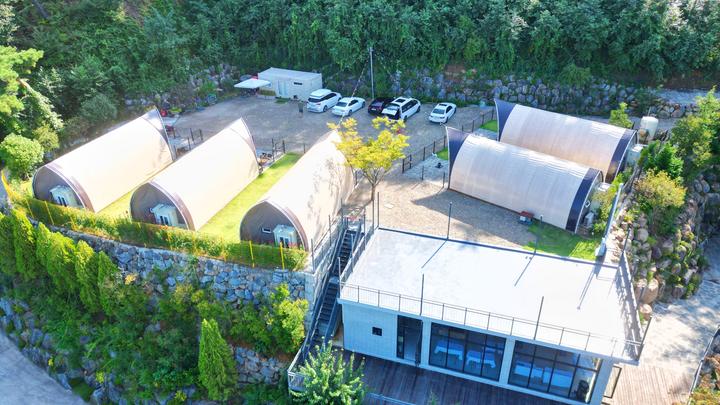
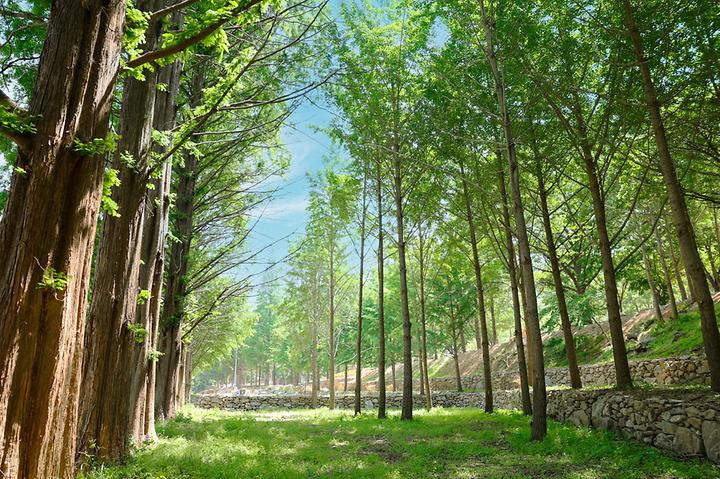
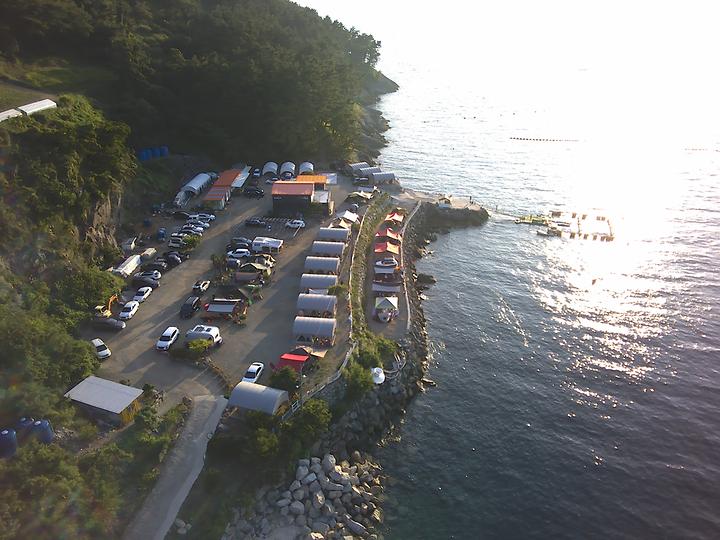
Great camping site to go with kids
I chose a good place to go with my child.



🟢 CONNECT
It's good to see them together
Packing for kids
👶 Camping with kids
We selected only the most necessary children's products by age and season.
Select an age group and season to see items for those choices.
Essentials for every season
Always shownRegardless of the season, these are the basic items to check first.
medicine
children's ointment
band
children sunscreen
sanitary products
Other
🍂 Autumn · Ages 3-5
Changes with your selectionThese are additional items to consider depending on the age and season you choose.
nature observation
Food/storage
Safety essentials
Always shownBe prepared in case you get lost or injured outdoors.
repellent
safety
Children's equipment selection and safety information
For insect repellents in South Korea, check the minimum age and the quasi-drug label. Do not rely on scented wristbands or stickers as approved repellents.
Keep children within arm’s reach in and around water. Have them wear a properly fitted life jacket when they go in. Inflatable armbands are not safety equipment.
The US FDA warns against using baby neck floats for water therapy due to the risk of drowning or injury.
For babies under 6 months, start with shade and sun-protective clothing. Ask a pediatric health professional before applying sunscreen.
Follow the age and use directions on each product. Hand warmers and similar heating products can cause burns.
MFDS · Safe use of mosquito and tick repellentsCDC · Water safety for childrenFDA · Baby neck float safety warningFDA · Sun protection and sunscreen for infantsChecked November 16, 2026🟢 SAFETY
What to check when camping with children
Start with these checks around fire, water and insects.
A guardian must make sure that the child does not approach the fire.
Wear a life jacket and keep an eye on it in valleys and swimming pools.
Mosquito repellent, long clothes, tent zipper tightly closed
🟢 FAQ
Frequently asked questions
Q. How many nights should we camp on a child’s first trip?
Rather than setting a long schedule from the beginning as if it were the right answer, try starting with a short and leisurely schedule that allows you to return early depending on your child's reaction.
Check-in and check-out times, night vehicle movement, and operation of restrooms and showers vary depending on the campsite. You must first look at the information for the reserved area.
Check this first- See if you can arrive, set up, and get ready for bed on the first day.
- Check the route to the bathroom at night with your child
- Leave some room in your next schedule so you can return early if you are tired.
Q. How do you get started if your child is afraid of camping?
Try the tent, lantern and sleeping setup briefly at home or nearby before committing to an overnight trip far away. Listen to what worries your child, choose familiar comfort items together, and plan to return home if it becomes too much.
First, listen to what you are worried about: the darkness of the night or an unfamiliar bed.
Check this first- Setting up tents and mats at home
- Choose something you feel comfortable with
- Make a plan to return when times are tough
Q. I'm worried about whether my child will sleep well in an unfamiliar tent.
Start by preparing for bed with familiar equipment rather than using new equipment. It's a good idea to take care of your bedtime habits, like the books you usually read and your pajamas, and leave some time for rest on the first day.
The original question asks about a toddler’s usual bedtime when it stays light late in summer. Check sunset at your campsite and plan around your child’s usual bedtime routine.
Check this first- Bring your usual pajamas and a bedtime book.
- Check in advance where your family will sleep and the surrounding noise conditions
- Schedule the time to make your bed after checking in.
Q. How should I choose a campsite if my child is nervous about the restrooms?
Check the restroom type and walking distance, not just whether one is listed. If shared facilities would be difficult for your child, compare units whose official details confirm a private toilet.
The operator lists a flush toilet and shower inside caravan 8 at Gyeongju Bomun Caravan Park. Check the official listing for your own unit before booking.
Check this first- Check whether it is a flush toilet and whether it is in your unit or shared.
- Check movement and night use from reservation area to restroom
- Look at photos of the facility with your child and check for any inconveniences.
Q. What should I do with my child when I go to the campsite?
Rather than cramming your schedule, try picking just two or three short-lived activities like going for a walk, observing nature, or preparing a meal. If you allow your child to play small roles and take breaks, it will be easier to maintain a daily rhythm even in an unfamiliar environment.
Check the operation and use conditions of playgrounds and experiences separately.
Check this first- A favorite game or two
- Check permitted walking routes
- Divide roles according to age
FAQ
Camping with kids FAQ
What age is suitable for a child’s first camping trip?
Readiness depends more on the child’s sleep, meals, mobility, and the caregiver’s capacity than on a fixed age. Start with a short trip and familiar sleep items, and check weather and campsite rules.
Does a playground mean a campsite is safe for children?
No. Also check age limits, supervision rules, vehicle routes, distance to toilets, nearby water, slopes, and the conditions around your actual pitch.
What should I pack when camping with children?
Prioritize familiar sleep items, spare weather-appropriate clothes, water and food, personal first-aid items, night lighting, and hygiene supplies. Adjust quantities for the child’s age and camping style.